


ATTR‑CM Signs and Symptoms: Recognising ATTR‑CM Symptoms and Red Flag Warning Signs of ATTR-CM
This page supports UK healthcare professionals in recognising the clinical features and early signs of cardiac amyloidosis to prompt earlier suspicion, investigation, and referral. Use the links below to navigate directly to the relevant sections on this page.
Why ATTR-CM is often missed or misdiagnosed
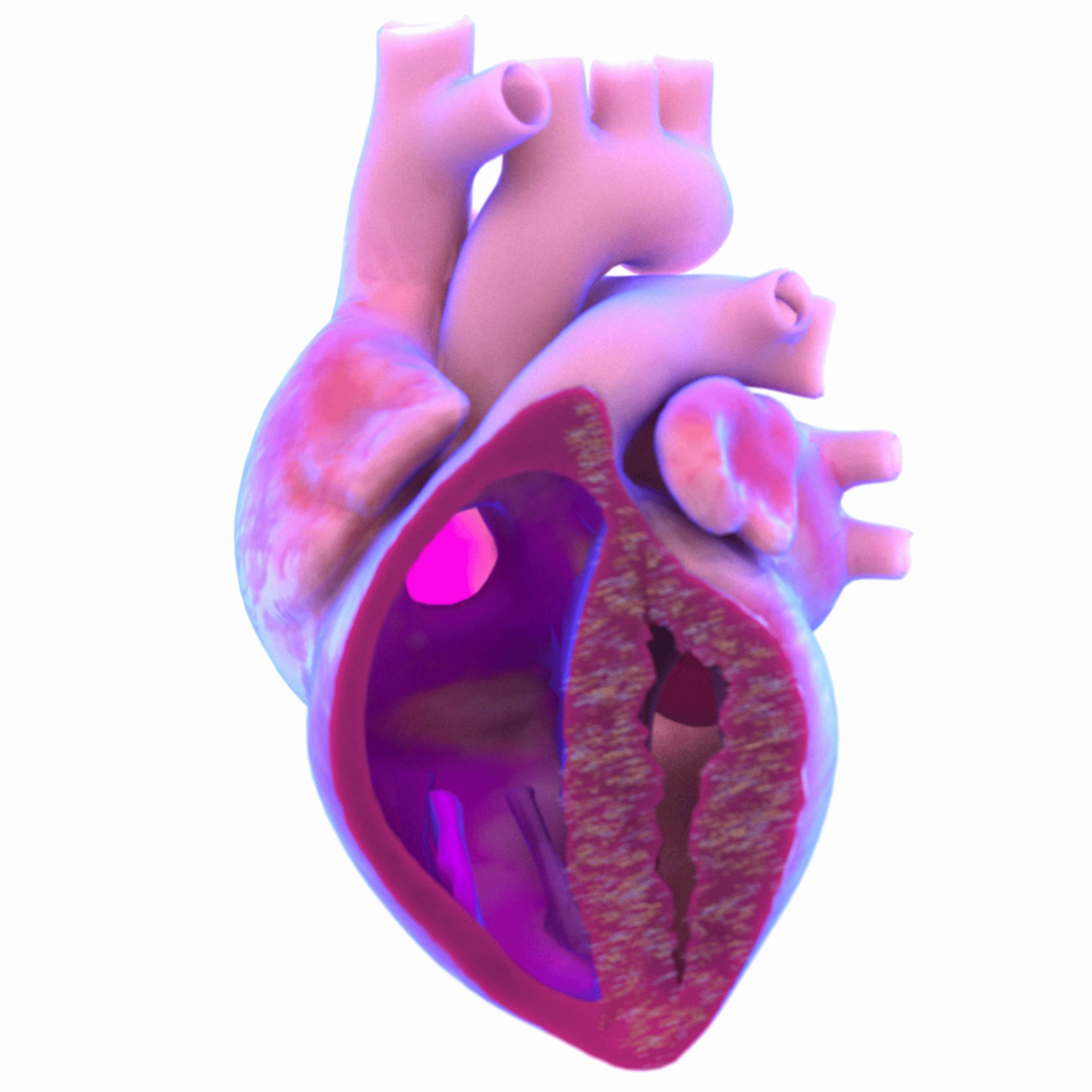
ATTR‑CM symptoms develop when misfolded transthyretin (TTR) protein accumulates in the heart, causing stiffness and impaired pumping. Many ATTR-CM symptoms/cardiac amyloidosis symptoms can look like common cardiac conditions. As a result, ATTR‑CM is frequently missed or misdiagnosed, especially in early stages. Better awareness of the subtle and systemic signs of ATTR-CM will improve diagnostic accuracy.
Recognising the signs and symptoms of amyloidosis

In ATTR-CM, cardiac involvement leads to a progressive restrictive cardiomyopathy. However, ATTR‑CM is a systemic disease, and extracardiac manifestations may precede cardiac presentation by several years. Common early symptoms of amyloidosis (including cardiac amyloidosis) include fatigue, exercise intolerance, mild breathlessness, and swelling. These can be mistaken for routine aging or general heart failure. Awareness of key ATTR-CM features can be critical in raising early suspicion.
A key principle in potentially recognising ATTR‑CM is the combination of increased left ventricular wall thickness together with characteristic clinical ‘red flag’ warning signs. Awareness of this pattern can help prompt timely diagnostic evaluation and referral.
Left ventricular (LV) wall thickness ≥12 mm* + ≥1 Red flag = Suspect cardiac amyloidosis
*Some patients with ATTR-CM (particularly women) may not have a wall thickness of ≥12 mm. Absence of this specific criterion should not preclude initiation of therapy.

Extracardiac signs and symptoms of amyloidosis/ATTR-CM include:
- Carpal tunnel syndrome and nerve‑related symptoms (linked to ATTR‑CM and carpal tunnel)
- Lumbar spinal stenosis
- Tendon ruptures
- Peripheral or autonomic neuropathy
- Gastrointestinal symptoms (e.g., diarrhoea, early satiety)

Cardiac signs and symptoms of amyloidosis/ATTR-CM include:
- Exertional or resting dyspnoea
- Reduced exercise tolerance
- Oedema, e.g., swelling in the leg, ankle, or abdomen
- Irregular heart rhythm (e.g., atrial fibrillation, palpitations)
- Presyncope or syncope
- Unexplained left ventricular wall thickening without hypertension
- Atrial fibrillation or conduction disease
- Aortic stenosis (especially low-flow, low-gradient)
- Heart failure with preserved ejection fraction (HFpEF), particularly in older patients
- Intolerance to common heart‑failure medications (e.g., ACE inhibitors, ARBs, beta‑blockers)
- Elevated NT-proBNP and troponin
Please note: This is not a comprehensive list of all cardiac amyloidosis symptoms, and patients may not experience all symptoms listed.
ECG observations
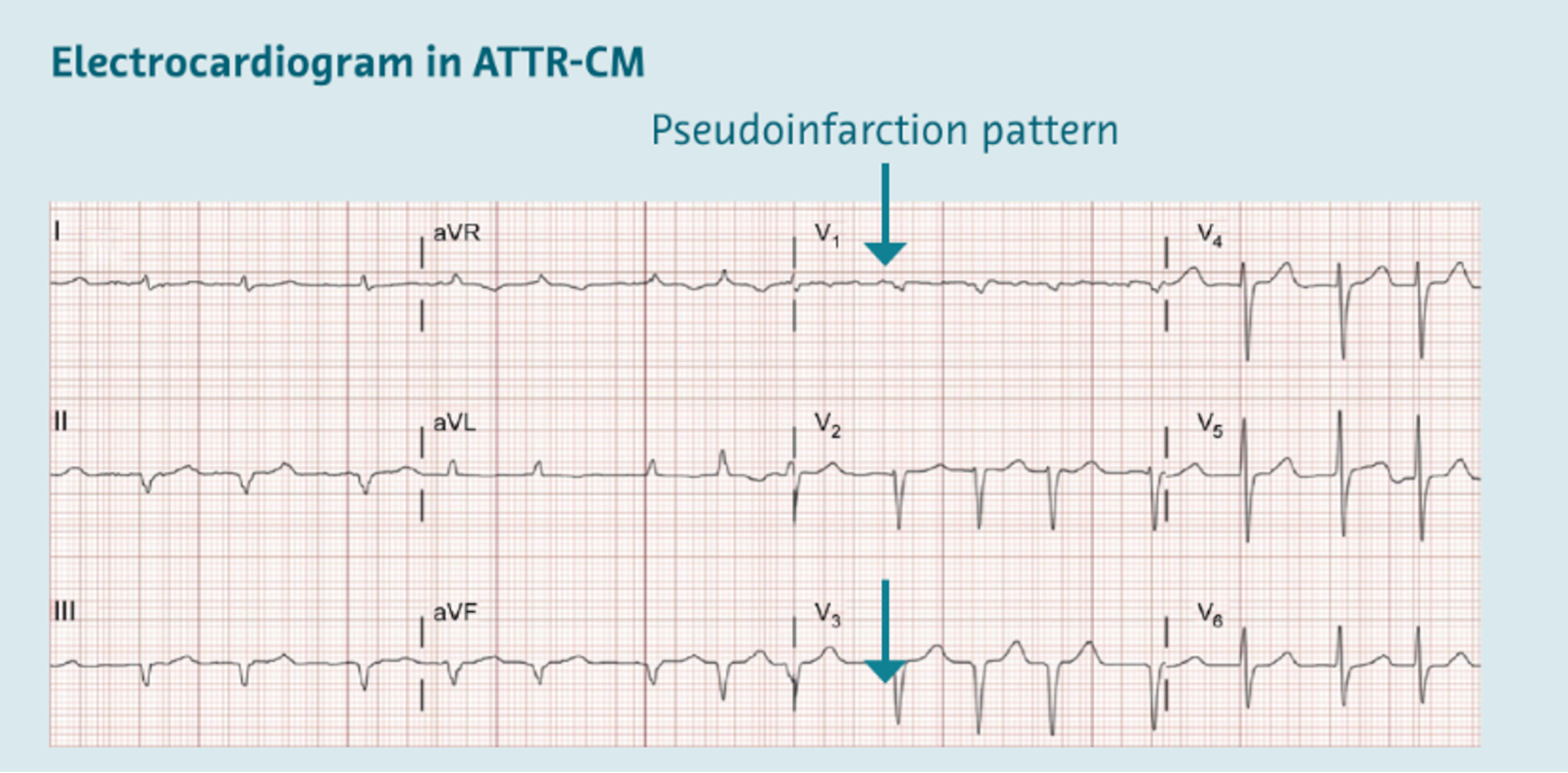
- AV block in presence of increased LV wall thickness
- Pseudo Q waves
- Reduced QRS voltage to mass ratio
- Atrial fibrillation/rhythm disorders
Echocardiogram abnormalities
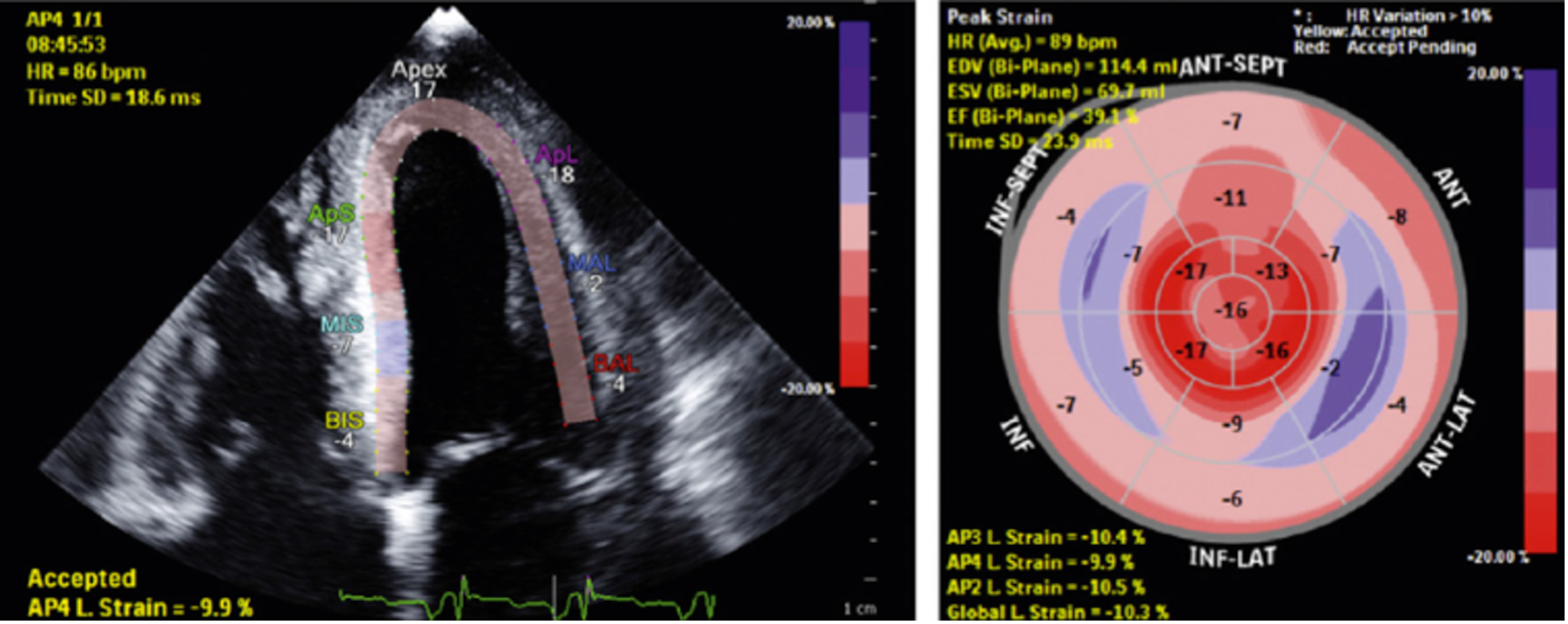
- Reduction in longitudinal strain with apical sparing
- Hypertrophic phenotype with associated infiltrative features, e.g. increased thickness of AV valves, interatrial septum and RV free wall
- Granular appearance of the myocardium (granular sparkling)
Changes in CMR
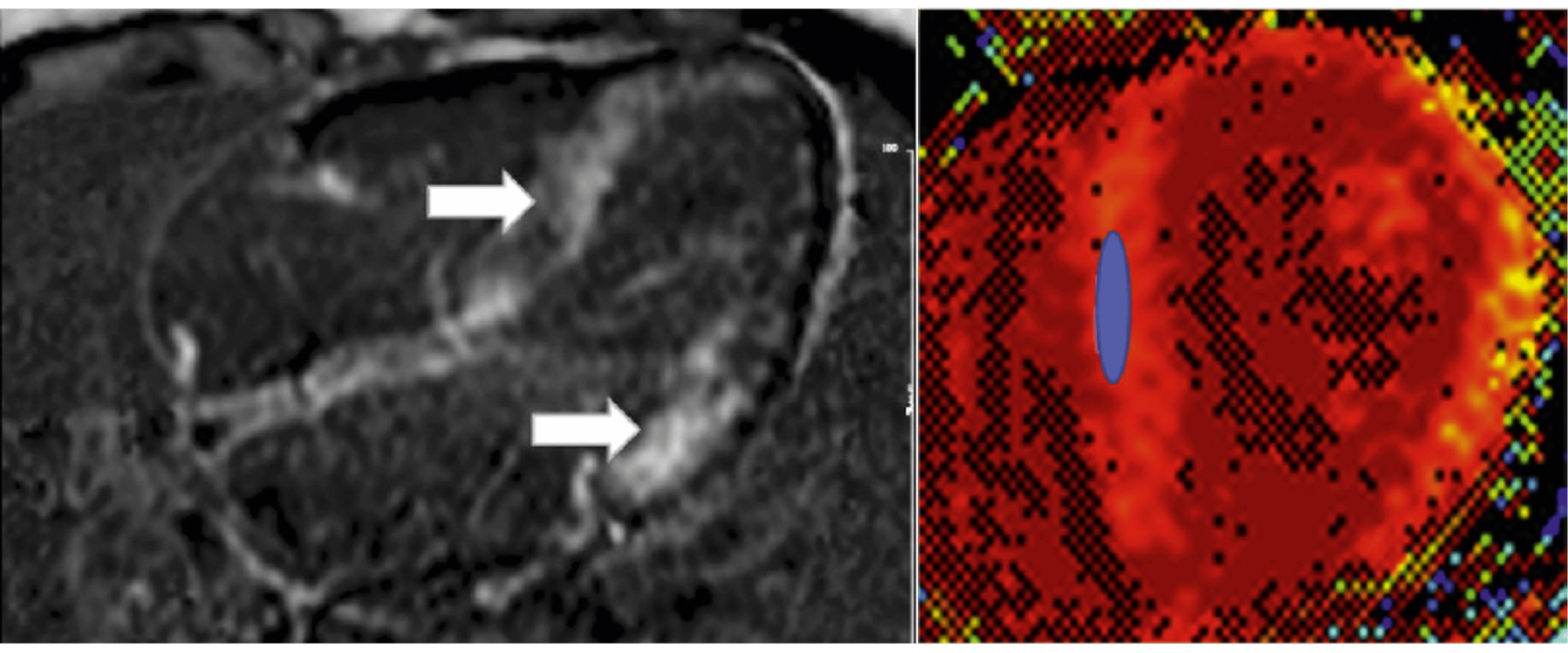
- Increased extracellular volume
- Diffuse late subendocardial/transmural LGE
- Abnormal nulling time for the myocardium
Expand the boxes below for examples of cardiac changes and abnormalities


Abbreviations:
ACE, angiotensin converting enzyme inhibitors; ARBs, angiotensin II receptor blockers; AV, atrioventricular; ECV, extracellular volume; HFpEF, Heart Failure with Preserved Ejection Fraction; LGE, late gadolinium enhancement; LV, left ventricular; NT-proBNP, N-terminal pro B-type natriuretic peptide; PSIR, phase-sensitive inversion recovery; RV, right ventricular.
PP-BEY-GB-0291 | August 2026